

Can Neuropathy Be Reversed? What to Know About Peripheral Neuropathy

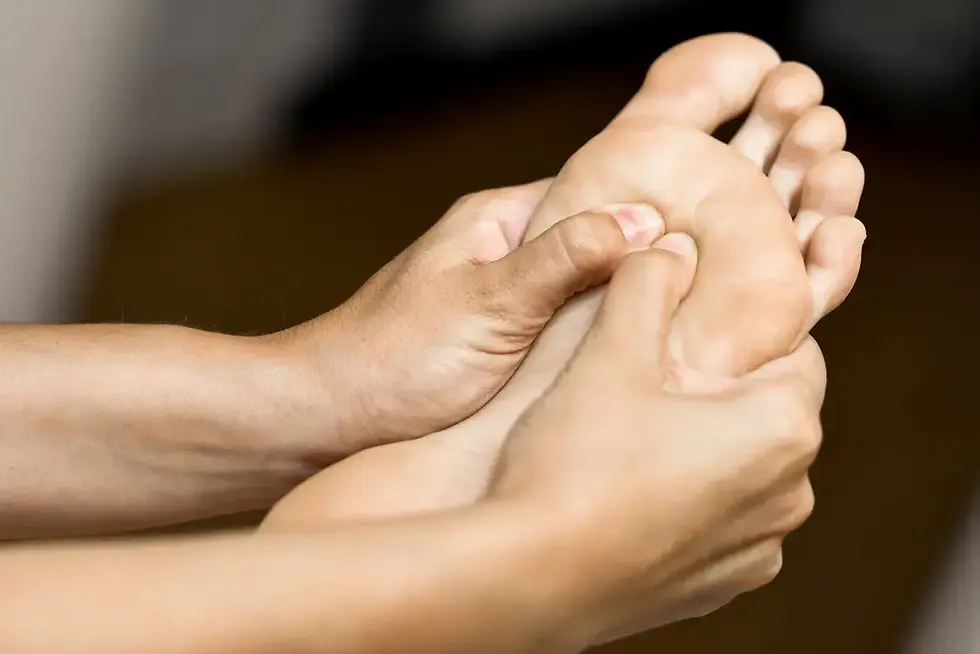
If you are wondering whether neuropathy can be reversed, the honest answer is that it depends on the cause. Some types improve a great deal, while others are managed rather than cured. Either way, many people find real relief once they understand what is driving their symptoms. Peripheral neuropathy often shows up as tingling, burning, or numbness in the feet, and it can make daily life frustrating. This article explains what neuropathy is, what causes it, and what your options are. Want answers about your situation? Call our Lee's Summit office at (816) 895-1800.
What Peripheral Neuropathy Is
Peripheral neuropathy is a problem with the peripheral nerves, the ones that carry signals between your brain and the rest of your body. When those nerves are damaged or irritated, the messages get scrambled. That is why you might feel sensations that have no outside cause, like tingling or burning.
The feet and hands are usually affected first, since their nerves are the longest and most vulnerable. Symptoms often start subtly and build over time. Because the nerves control both feeling and movement, neuropathy can affect sensation, strength, and balance.
Common Symptoms of Neuropathy
Neuropathy shows up in several ways, and the pattern varies from person to person. Watch for these common signs:
Tingling or a pins and needles feeling in the feet or hands
Numbness that makes it hard to feel the floor
Burning or shooting nerve pain
Weakness in the feet or legs
Balance problems, especially in the dark
Many people first notice it as tingling feet that comes and goes. Over time, the sensation can become more constant. Early symptoms are worth acting on, since timing affects how well nerves recover.
What Causes Neuropathy
Many different problems can damage the peripheral nerves. Diabetes is the most common cause, because high blood sugar harms nerves over time. Nutrient shortages matter too, and a lack of vitamin B12 is a frequent and often overlooked trigger. Thyroid disorders, heavy alcohol use, and certain medications can all play a role.
Physical causes are common as well. Injury, repetitive stress, or a compressed nerve can disrupt normal signaling. Sometimes several factors overlap at once. Pinpointing the cause is the most important step, because the cause largely determines whether the nerve damage can improve.
Can Neuropathy Be Reversed?
Here is the honest picture. Whether neuropathy can be reversed depends heavily on what is causing it and how long it has been present. Some causes respond very well. For example, neuropathy from a vitamin B12 deficiency often improves once the deficiency is corrected. Nerve compression can improve when the pressure is relieved. Early cases generally have the best outlook.
Other types, such as long-standing nerve damage, are usually managed rather than fully reversed. Even then, the goal is meaningful: reduce symptoms, slow progression, and protect the nerves you have. Acting early gives you the best chance at recovery, so it pays not to ignore the first signs.
How to Relieve Neuropathy Symptoms
Several steps can ease symptoms and support nerve health. They work best as part of a plan that also addresses the underlying cause.
Movement and Circulation
Gentle activity helps more than you might expect. Movement boosts circulation, and healthy blood flow delivers oxygen and nutrients to the nerves. Walking is a simple, effective option for most people. Regular activity also supports better blood sugar control, which matters for diabetic neuropathy. Start easy and build up at your own pace.
Daily Foot Care and Habits
Your feet need extra attention with neuropathy. Check them daily for cuts, blisters, or sores, especially if you have diabetes and reduced sensation. Choose supportive, well-fitting shoes to protect the feet. Compression socks can help some people by supporting circulation, though results vary. Good nutrition and steady blood sugar round out the routine.
Protecting the Nerves
Some habits directly protect your nerves. Limiting alcohol reduces a known source of nerve damage. Correcting deficiencies, like low B12, removes a common trigger. Managing blood sugar, blood pressure, and thyroid health all support nerve function. Most importantly, do not wait on early symptoms, since earlier care means better outcomes.
How Chiropractic and Regenerative Care Can Help
Care at Essential Chiropractic starts with understanding your specific situation. Our team assesses your nervous system and looks for spinal or compression-related factors that may be contributing to your symptoms. Using the gentle, research-based Torque Release Technique, adjustments support clear communication between the brain and body. When nerves face less interference, they function better.
For many people, we pair this with our dedicated neuropathy program, which is built around the cause of your symptoms rather than a one-size-fits-all plan. We also offer SoftWave therapy, a regenerative approach that supports tissue and nerve health. You can learn more about how we work on our technique page. Throughout, we coordinate with your medical providers, since neuropathy often needs a team approach.
When to See a Doctor
Most neuropathy can be managed safely, but some signs need prompt medical attention. See a doctor right away if your numbness or weakness worsens quickly, or if symptoms follow an injury. The same applies to any foot wound, sore, or sign of infection, which is especially serious for people with diabetes. Sudden loss of balance or difficulty walking also deserves urgent evaluation. Getting these checked protects your nerves and your safety.
The Bottom Line
Neuropathy is common, its outlook depends on the cause, and many people improve once that cause is found and addressed. Early types linked to deficiency or compression often respond well, while longer-standing cases can still be managed for real relief. Start by identifying the cause, protect your nerves with smart daily habits, and seek care sooner rather than later. Serving Lee's Summit and the greater Kansas City area, our team is ready to help you understand your options. Book a visit or call (816) 895-1800 to get started.
FAQs
Can Neuropathy Be Reversed?
It depends on the cause and how early it is caught. Neuropathy from a vitamin B12 deficiency or nerve compression can often improve once that issue is corrected. Long-standing nerve damage is usually managed rather than fully reversed, though symptoms can still be reduced. Acting early gives you the best chance at recovery.
Why Are My Feet Tingling?
Tingling feet often signal irritated or damaged nerves, and neuropathy is a common reason. Causes range from diabetes and vitamin deficiencies to nerve compression and alcohol use. Occasional tingling from a crossed leg is normal, but persistent or spreading tingling deserves evaluation to find the cause.
What Deficiency Causes Tingling in the Hands and Feet?
A vitamin B12 deficiency is a frequent cause of tingling in the hands and feet. Low levels of other B vitamins can contribute as well. The good news is that deficiency-related neuropathy often improves once the shortage is corrected, which is why testing for it is worthwhile.
How Do You Stop Numbness in the Legs and Feet?
Start by addressing the underlying cause, whether that is blood sugar, a deficiency, or nerve compression. Gentle movement supports circulation to the nerves, and supportive footwear protects the feet. Some people find compression socks helpful. Persistent numbness should be assessed, since ongoing pressure or damage needs proper attention.
Do Compression Socks Help Neuropathy?
Compression socks can help some people by supporting circulation in the legs and feet, which may ease certain symptoms. They are not a cure and do not address the root cause. If you have diabetes or circulation concerns, check with a provider before using them, and make sure they fit well.
Can a Chiropractor Help With Neuropathy?
A chiropractor can assess your nervous system and address spinal or compression-related factors that may contribute to nerve symptoms. Gentle, specific care supports better nerve communication, and approaches like SoftWave therapy can support nerve and tissue health. Care works best alongside medical treatment aimed at the underlying cause.


Comments